
Blog

How to Fall-Proof Your Home and Protect Your Foot Health

Fall-proofing the home is an important step in protecting overall health and preventing injuries, especially those affecting the feet and lower extremities. Simple adjustments can make daily movement safer and more comfortable. Begin by checking front steps to ensure they are stable and free of hazards. Proper lighting throughout the home helps improve visibility and reduces the risk of tripping in dark areas. Installing a grab bar in bathrooms or near stairways provides additional support and balance. Keeping everyday items within easy reach helps avoid unnecessary stretching or climbing. Reducing clutter on floors and walkways also lowers the chance of accidental falls. Preventing falls helps protect the feet from fractures, sprains, and painful long-term mobility problems. If you have injured your foot or ankle from falling, it is suggested that you consult a podiatrist who can treat various foot and ankle injuries and provide additional fall prevention tips.

Preventing falls among the elderly is very important. If you are older and have fallen or fear that you are prone to falling, consult with Brian Shwer, DPM from Southaven Foot Clinic. Our doctor will assess your condition and provide you with quality advice and care.

Every 11 seconds, an elderly American is being treated in an emergency room for a fall related injury. Falls are the leading cause of head and hip injuries for those 65 and older. Due to decreases in strength, balance, senses, and lack of awareness, elderly persons are very susceptible to falling. Thankfully, there are a number of things older persons can do to prevent falls.

How to Prevent Falls

Some effective methods that older persons can do to prevent falls include:

  • Enrolling in strength and balance exercise program to increase balance and strength
  • Periodically having your sight and hearing checked
  • Discuss any medications you have with a doctor to see if it increases the risk of falling
  • Clearing the house of falling hazards and installing devices like grab bars and railings
  • Utilizing a walker or cane
  • Wearing shoes that provide good support and cushioning
  • Talking to family members about falling and increasing awareness

Falling can be a traumatic and embarrassing experience for elderly persons; this can make them less willing to leave the house, and less willing to talk to someone about their fears of falling. Doing such things, however, will increase the likelihood of tripping or losing one’s balance. Knowing the causes of falling and how to prevent them is the best way to mitigate the risk of serious injury.  

If you have any questions, please feel free to contact our office located in Southaven, MS . We offer the newest diagnostic and treatment technologies for all your foot care needs.

Read more about Falls Prevention

Common Causes of Heel Pain

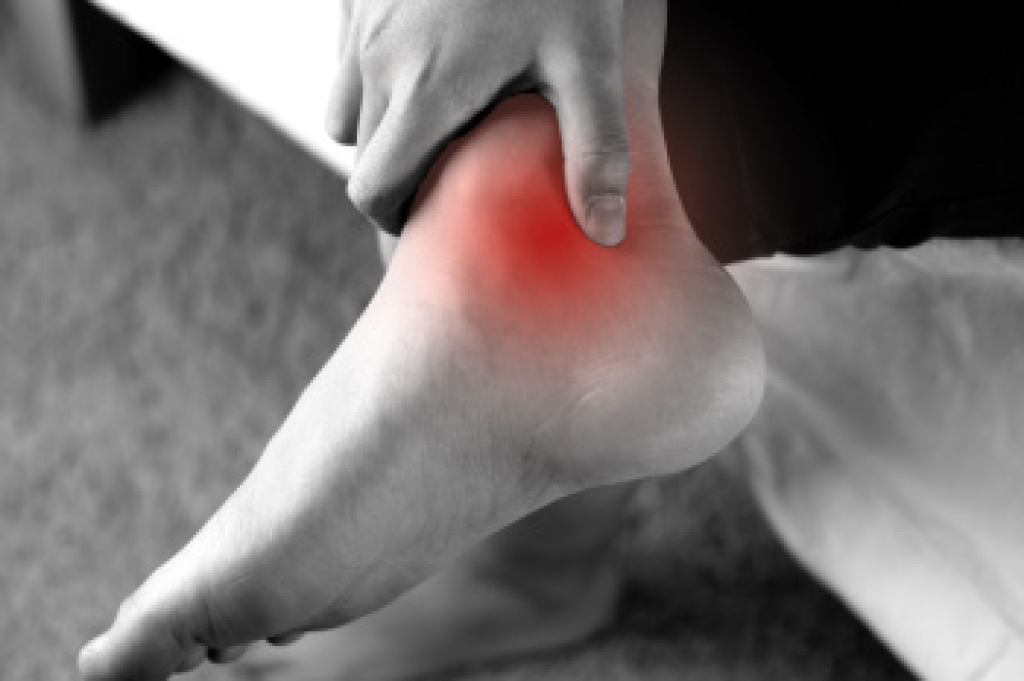
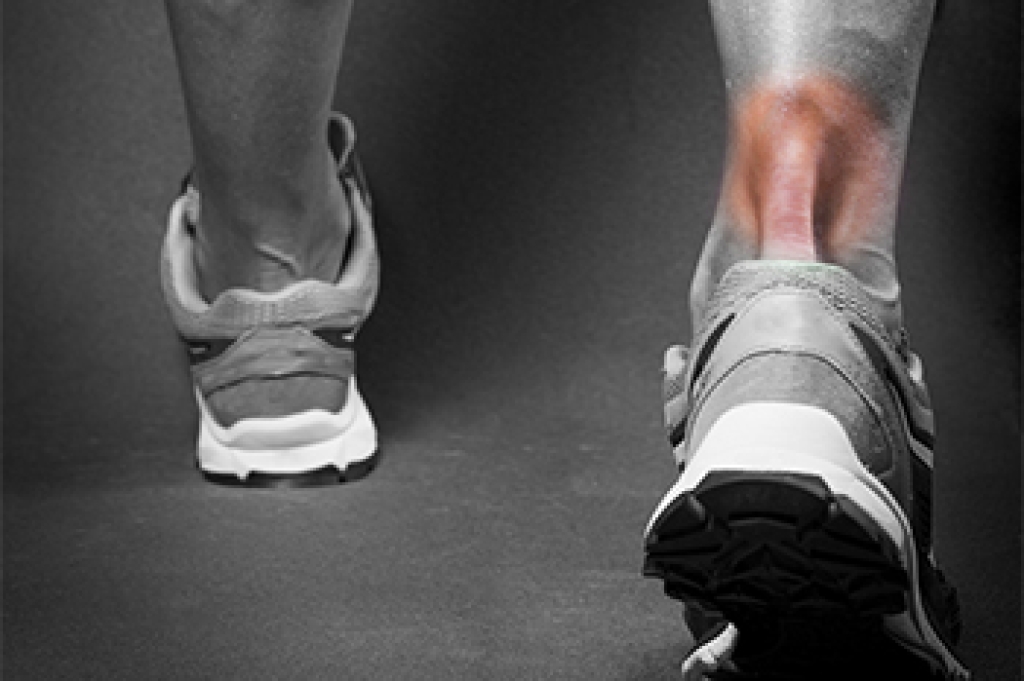
Heel pain can make standing and walking difficult. Several conditions can cause pain in the heel. One common cause is plantar fasciitis, which occurs when the plantar fascia becomes irritated. The plantar fascia is a thick band of tissue that connects the heel bone to the front of the foot. This condition often causes sharp pain when people first begin walking after rest. Achilles tendonitis is another cause. It develops when the Achilles tendon, which connects the calf muscles to the heel bone, becomes inflamed from overuse. Heel bursitis can also lead to pain. Bursae are small fluid-filled sacs that reduce friction around joints, and when they become inflamed, pain and swelling may occur. In some cases, heel pain may result from a fracture, which is a break in the heel bone. A podiatrist can determine the exact cause of heel pain and provide proper treatment. If you are experiencing heel pain, it is suggested that you make an appointment with a podiatrist for help.

Many people suffer from bouts of heel pain. For more information, contact Brian Shwer, DPM of Southaven Foot Clinic. Our doctor can provide the care you need to keep you pain-free and on your feet.

Causes of Heel Pain

Heel pain is often associated with plantar fasciitis. The plantar fascia is a band of tissues that extends along the bottom of the foot. A rip or tear in this ligament can cause inflammation of the tissue.

Achilles tendonitis is another cause of heel pain. Inflammation of the Achilles tendon will cause pain from fractures and muscle tearing. Lack of flexibility is also another symptom.

Heel spurs are another cause of pain. When the tissues of the plantar fascia undergo a great deal of stress, it can lead to ligament separation from the heel bone, causing heel spurs.

Why Might Heel Pain Occur?

  • Wearing ill-fitting shoes                
  • Wearing non-supportive shoes
  • Weight change           
  • Excessive running

Treatments

Heel pain should be treated as soon as possible for immediate results. Keeping your feet in a stress-free environment will help. If you suffer from Achilles tendonitis or plantar fasciitis, applying ice will reduce the swelling. Stretching before an exercise like running will help the muscles. Using all these tips will help make heel pain a condition of the past.

If you have any questions, please feel free to contact our office located in Southaven, MS . We offer the newest diagnostic and treatment technologies for all your foot care needs.
Read more about Heel Pain

Tarsal Tunnel Syndrome and Foot Nerve Pain

Tarsal tunnel syndrome is a nerve compression condition that affects the posterior tibial nerve as it passes through the tarsal tunnel, a narrow space located along the inner side of the ankle and foot. When this nerve becomes compressed or irritated, it can cause pain and nerve-related symptoms throughout the foot. Causes include injury, swelling, flat feet, varicose veins, or anything that places pressure on the nerve. Risk factors include overuse, foot deformities, inflammatory joint disease, and repetitive stress activities. Symptoms often include burning pain, tingling, numbness, and sharp discomfort that may worsen with prolonged standing or walking. A podiatrist can evaluate foot structure, recommend supportive treatment, and help relieve nerve pressure. If you have pain in this part of your foot, it is suggested that you consult a podiatrist who can accurately diagnose and treat tarsal tunnel syndrome. 

Tarsal tunnel syndrome can be very uncomfortable to live with. If you are experiencing tarsal tunnel syndrome, contact Brian Shwer, DPM of Southaven Foot Clinic. Our doctor can provide the care you need to keep you pain-free and on your feet.

Tarsal Tunnel Syndrome

Tarsal tunnel syndrome, which can also be called tibial nerve dysfunction, is an uncommon condition of misfiring peripheral nerves in the foot. The tibial nerve is the peripheral nerve in the leg responsible for sensation and movement of the foot and calf muscles. In tarsal tunnel syndrome, the tibial nerve is damaged, causing problems with movement and feeling in the foot of the affected leg.

Common Cause of Tarsal Tunnel Syndrome

  • Involves pressure or an injury, direct pressure on the tibial nerve for an extended period of time, sometimes caused by other body structures close by or near the knee.
  • Diseases that damage nerves, including diabetes, may cause tarsal tunnel syndrome.
  • At times, tarsal tunnel syndrome can appear without an obvious cause in some cases.

The Effects of Tarsal Tunnel Syndrome

  • Different sensations, an afflicted person may experience pain, tingling, burning or other unusual sensations in the foot of the affected leg.
  • The foot muscles, toes and ankle become weaker, and curling your toes or flexing your foot can become difficult.
  • If condition worsens, infections and ulcers may develop on the foot that is experiencing the syndrome.

A physical exam of the leg can help identify the presence of tarsal tunnel syndrome. Medical tests, such as a nerve biopsy, are also used to diagnose the condition. Patients may receive physical therapy and prescriptive medication. In extreme cases, some may require surgery.

If you have any questions please contact our office located in Southaven, MS . We offer the newest diagnostic and treatment technologies for all your foot and ankle needs.

Read more about Treating Tarsal Tunnel Syndrome

Managing an Achilles Tendon Rupture

An Achilles tendon rupture is a serious injury that affects walking, balance, and push-off strength. Management depends on the patient’s health, activity level, and how well the tendon ends line up. Conservative care may be recommended for some individuals, and usually involves immobilization in a boot or cast, followed by gradual motion and strengthening. This approach avoids surgery but requires careful protection and guided rehabilitation. Surgical repair may be advised for others, especially when the tendon has pulled far apart or when higher strength and function are desired. Surgery reconnects the tendon to restore tension and support healing, followed by structured rehabilitation. Both approaches aim to regain strength, flexibility, and a safe return to activity. Early diagnosis and proper treatment planning are key to good outcomes. If sudden heel pain, weakness, or difficulty pushing off occurs, it is suggested that you see a podiatrist for evaluation and guidance.

Achilles tendon injuries need immediate attention to avoid future complications. If you have any concerns, contact Brian Shwer, DPM of Southaven Foot Clinic. Our doctor can provide the care you need to keep you pain-free and on your feet.

What Is the Achilles Tendon?

The Achilles tendon is a tendon that connects the lower leg muscles and calf to the heel of the foot. It is the strongest tendon in the human body and is essential for making movement possible. Because this tendon is such an integral part of the body, any injuries to it can create immense difficulties and should immediately be presented to a doctor.

What Are the Symptoms of an Achilles Tendon Injury?

There are various types of injuries that can affect the Achilles tendon. The two most common injuries are Achilles tendinitis and ruptures of the tendon.

Achilles Tendinitis Symptoms

  • Inflammation
  • Dull to severe pain
  • Increased blood flow to the tendon
  • Thickening of the tendon

Rupture Symptoms

  • Extreme pain and swelling in the foot
  • Total immobility

Treatment and Prevention

Achilles tendon injuries are diagnosed by a thorough physical evaluation, which can include an MRI. Treatment involves rest, physical therapy, and in some cases, surgery. However, various preventative measures can be taken to avoid these injuries, such as:

  • Thorough stretching of the tendon before and after exercise
  • Strengthening exercises like calf raises, squats, leg curls, leg extensions, leg raises, lunges, and leg presses

If you have any questions please feel free to contact our office located in Southaven, MS . We offer the newest diagnostic tools and technology to treat your foot and ankle needs.

Read more about The Causes, Types, and Treatments of Achilles Tendon Injuries

When a Small Foot Bone Causes a Big Disruption

A metatarsal fracture is a break in one of the long bones in the front of the foot. This injury is commonly caused by direct injury, overuse, sudden increases in activity, or repetitive stress from walking or running. Symptoms include swelling, bruising, and difficulty bearing weight. The foot may look swollen or discolored, and it may feel painful with movement. In some cases, the pain increases during activity and improves with rest. A podiatrist can help by starting with a careful physical examination and imaging, such as X-rays, to confirm the diagnosis and determine severity. Treatment may include immobilization, protective footwear, pain management, and targeted exercises as healing progresses. In more severe cases, advanced support or surgical planning may be needed. Early diagnosis is important to prevent improper healing and long-term foot problems. If you think you may have a metatarsal fracture, it is suggested that you make an appointment with a podiatrist for evaluation and treatment.

A broken foot requires immediate medical attention and treatment. If you need your feet checked, contact Brian Shwer, DPM from Southaven Foot Clinic. Our doctor can provide the care you need to keep you pain-free and on your feet.

Broken Foot Causes, Symptoms, and Treatment

A broken foot is caused by one of the bones in the foot typically breaking when bended, crushed, or stretched beyond its natural capabilities. Usually the location of the fracture indicates how the break occurred, whether it was through an object, fall, or any other type of injury. 

Common Symptoms of Broken Feet:

  • Bruising
  • Pain
  • Redness
  • Swelling
  • Blue in color
  • Numbness
  • Cold
  • Misshapen
  • Cuts
  • Deformities

Those that suspect they have a broken foot shoot seek urgent medical attention where a medical professional could diagnose the severity.

Treatment for broken bones varies depending on the cause, severity and location. Some will require the use of splints, casts or crutches while others could even involve surgery to repair the broken bones. Personal care includes the use of ice and keeping the foot stabilized and elevated.

If you have any questions, please feel free to contact our office located in Southaven, MS . We offer the newest diagnostic and treatment technologies for all your foot care needs.

Read more about Causes, Symptoms, and Treatment for a Broken Foot
Connect with us