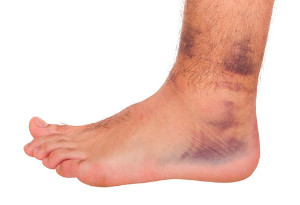
A common injury that is known as an ankle sprain can occur as a result of suddenly twisting the ankle. The ligaments in the ankle can become stretched beyond normal limitations, and can happen from participating in sporting activities, or from stepping on uneven pavement. This type of injury often produces severe pain and discomfort, and can inhibit the ability to walk. Additional symptoms can include swelling and bruising surrounding the affected area, and it may be difficult to bend the ankle. After a proper diagnosis is performed, which often consists of having an X-ray taken, the correct treatment can begin. If you have sprained your ankle, it is strongly suggested that you consult with a podiatrist who can guide you toward the correct treatment techniques.
Ankle sprains are common but need immediate attention. If you need your feet checked, contact Brian Shwer, DPM from Southaven Foot Clinic. Our doctor can provide the care you need to keep you pain-free and on your feet.
How Does an Ankle Sprain Occur?
Ankle sprains take place when the ligaments in your ankle are torn or stretched beyond their limits. There are multiple ways that the ankle can become injured, including twisting or rolling over onto your ankle, putting undue stress on it, or causing trauma to the ankle itself.
What Are the Symptoms?
Preventing a Sprain
Treatment of a Sprain
Treatment of a sprain depends on the severity. Many times, people are told to rest and remain off their feet completely, while others are given an air cast. If the sprain is very severe, surgery may be required.
If you have suffered an ankle sprain previously, you may want to consider additional support such as a brace and regular exercises to strengthen the ankle.
If you have any questions please feel free to contact our office located in Southaven, MS . We offer the newest diagnostic and treatment technologies for all your foot and ankle needs.
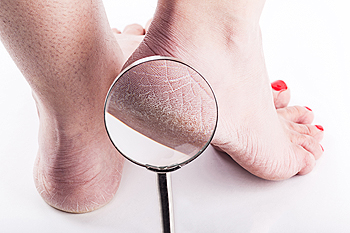 A common cause of cracked heels often begins with dry skin. As this progresses, the skin on the outer edges of the heel may bleed, causing pain and discomfort. This can happen as a result of environment, genetics, and medical conditions that can include diabetes and thyroid concerns. It may become worse as daily activities are accomplished, and this may be a result of the weight the heel endures while standing and walking. Many patients have found relief when the feet are washed and dried thoroughly, followed by applying a good moisturizer. For mild cases of cracked heels, it may be beneficial to soak the feet in warm water to soften the skin. If you have the beginning symptoms of cracked heels, it is suggested that you consult with a podiatrist who can offer you proper treatment techniques.
Cracked heels are unsightly and can cause further damage to your shoes and feet. If you have any concerns, contact Brian Shwer, DPM from Southaven Foot Clinic. Our doctor can provide the care you need to keep you pain-free and on your feet.
Cracked Heels
Cracked heels appear unappealing and can make it harder for you walk around in sandals. Aside from looking unpleasant, cracked heels can also tear stockings, socks, and wear out your shoes. There are several methods to help restore a cracked heel and prevent further damage.
How Do You Get Them?
Dry skin is the number one culprit in creating cracked heels. Many athletes, walkers, joggers, and even swimmers suffer from cracked heels. Age and skin oil production play a role to getting cracked heels as well.
Promote Healing
Over the counter medicines can help, especially for those that need instant relief or who suffer from chronic dry feet.
Wear Socks – Wearing socks with medicated creams helps lock in moisture.
Moisturizers – Applying both day and night will help alleviate dryness which causes cracking.
Pumice Stones – These exfoliate and remove dead skin, which allows for smoother moisturizer application and better absorption into the skin.
Change in Diet
Eating healthy with a well-balanced diet will give the skin a fresh and radiant look. Your body responds to the kinds of food you ingest. Omega-3 fatty acids and zinc supplements can also revitalize skin tissue.
Most importantly, seek professional help if unsure how to proceed in treating cracked heels. A podiatrist will help you with any questions or information needed.
If you have any questions, please feel free to contact our office located in Southaven, MS . We offer the newest diagnostic and treatment technologies for all your foot care needs.
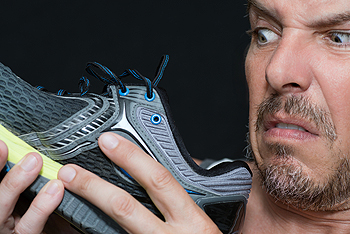 Patients who have excessively sweaty feet may have a condition that is referred to as plantar hyperhidrosis. It may be caused by genetic factors, in addition to extreme emotional or physical stress. This condition may be treated by wearing inner soles that are absorbent, and the feet may feel better while using powders that can absorb the sweat. Additionally, it may help to change socks frequently, which may be beneficial in preventing an infection. If you are suffering from sweaty feet, it is advised that you seek the counsel of a podiatrist who can help you find the right treatment method.
If you are suffering from hyperhidrosis contact Brian Shwer, DPM of Southaven Foot Clinic. Our doctor can provide the care you need to attend to all of your foot and ankle needs.
Hyperhidrosis of the Feet
Hyperhidrosis is a rare disorder that can cause people to have excessive sweating of their feet. This can usually occur all on its own without rigorous activity involved. People who suffer from hyperhidrosis may also experience sweaty palms.
Although it is said that sweating is a healthy process meant to cool down the body temperature and to maintain a proper internal temperature, hyperhidrosis may prove to be a huge hindrance on a person’s everyday life.
Plantar hyperhidrosis is considered to be the main form of hyperhidrosis. Secondary hyperhidrosis can refer to sweating that occurs in areas other than the feet or hands and armpits. Often this may be a sign of it being related to another medical condition such as menopause, hyperthyroidism and even Parkinson’s disease.
In order to alleviate this condition, it is important to see your doctor so that they may prescribe the necessary medications so that you can begin to live a normal life again. If this is left untreated, it is said that it will persist throughout an individual’s life.
A last resort approach would be surgery, but it is best to speak with your doctor to find out what may be the best treatment for you.
If you have any questions please feel free to contact our office located in Southaven, MS . We offer the newest diagnostic and treatment technologies for all your foot and ankle needs.
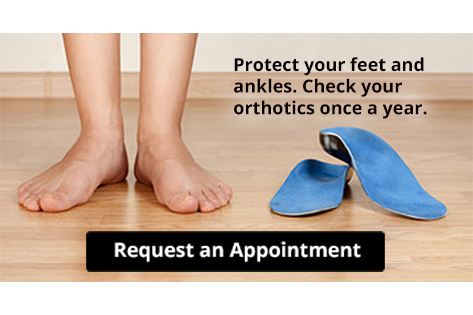
Custom orthotics, or shoe inserts, should be periodically replaced. Orthotics must fit properly to give you the best results. Protect your feet and ankles!
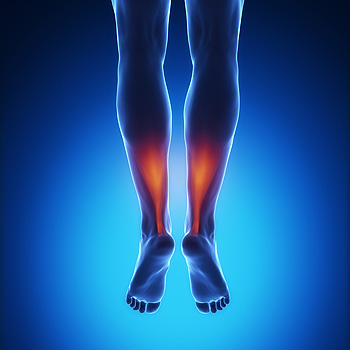
The Achilles tendon is comprised of two muscles in the calf, and is considered to be the strongest tendon in the body. Injuries to this tendon can be caused by participating in running and jumping activities. Additionally, they can occur as a result of wearing flip flops in the warmer weather, which may cause the Achilles tendon to stretch further than it normally would. Common symptoms that are typically felt with this type of injury may consist of the inability to point and flex the toes, soreness that is felt upon arising in the morning, and difficulty walking. Moderate relief may be found when the proper shoes are worn, and if gentle stretches are implemented into a daily routine. If you have injured your Achilles tendon, it is strongly advised that you consult with a podiatrist who can properly treat this condition.
Achilles tendon injuries need immediate attention to avoid future complications. If you have any concerns, contact Brian Shwer, DPM of Southaven Foot Clinic. Our doctor can provide the care you need to keep you pain-free and on your feet.
What Is the Achilles Tendon?
The Achilles tendon is a tendon that connects the lower leg muscles and calf to the heel of the foot. It is the strongest tendon in the human body and is essential for making movement possible. Because this tendon is such an integral part of the body, any injuries to it can create immense difficulties and should immediately be presented to a doctor.
What Are the Symptoms of an Achilles Tendon Injury?
There are various types of injuries that can affect the Achilles tendon. The two most common injuries are Achilles tendinitis and ruptures of the tendon.
Achilles Tendinitis Symptoms
Rupture Symptoms
Treatment and Prevention
Achilles tendon injuries are diagnosed by a thorough physical evaluation, which can include an MRI. Treatment involves rest, physical therapy, and in some cases, surgery. However, various preventative measures can be taken to avoid these injuries, such as:
If you have any questions please feel free to contact our office located in Southaven, MS . We offer the newest diagnostic tools and technology to treat your foot and ankle needs.
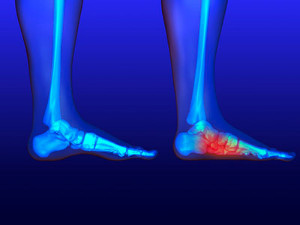 An effective way of checking to see if you have flat feet is to stand on the floor and notice if your entire foot touches the ground. Flat feet are generally not a cause for serious concern, despite the fact that there may be mild pain. Moderate relief may be found when custom made orthotics are worn, and this may help to provide the arch support that is needed for daily walking. Additionally, there may be specific foot stretches that can be frequently practiced which can be beneficial in strengthening the foot. Common causes for this condition can include genetic factors, insufficient foot growth, or medical conditions that may affect the foot muscles. If you have flat feet, it is suggested that you be under the care of a podiatrist who can help you with managing this condition.
Flatfoot is a condition many people suffer from. If you have flat feet, contact Brian Shwer, DPM from Southaven Foot Clinic. Our doctor will treat your foot and ankle needs.
What Are Flat Feet?
Flatfoot is a condition in which the arch of the foot is depressed and the sole of the foot is almost completely in contact with the ground. About 20-30% of the population generally has flat feet because their arches never formed during growth.
Conditions & Problems:
Having flat feet makes it difficult to run or walk because of the stress placed on the ankles.
Alignment – The general alignment of your legs can be disrupted, because the ankles move inward which can cause major discomfort.
Knees – If you have complications with your knees, flat feet can be a contributor to arthritis in that area.
Symptoms
Treatment
If you are experiencing pain and stress on the foot you may weaken the posterior tibial tendon, which runs around the inside of the ankle.
If you have any questions please feel free to contact our office located in Southaven, MS . We offer the newest diagnostic and treatment technologies for all your foot and ankle needs.
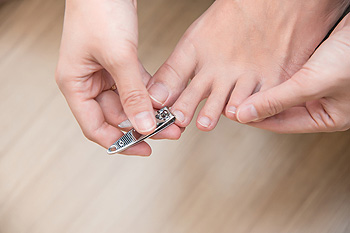 When the feet are cared for properly and on a regular basis, uncomfortable foot conditions may be prevented. There are routines that are easy to follow which can help assure the feet stay in optimum condition. These can include washing and drying the feet thoroughly, followed by using a good moisturizer. Additionally, when the toenails are trimmed, it is best to cut the nails straight across instead of at an angle. This may be helpful in preventing ingrown toenails from developing. Despite the fact that many people like to wear high heels, research has indicated it is beneficial to wear them for limited times, in addition to alternating them with shoes that have a lower heel. Athlete’s foot may be avoided when appropriate shoes are worn in public shower rooms, and surrounding areas. If you would like more information about how to properly care for your feet on an everyday basis, please consult with a podiatrist.
Everyday foot care is very important to prevent infection and other foot ailments. If you need your feet checked, contact Brian Shwer, DPM from Southaven Foot Clinic. Our doctor can provide the care you need to keep you pain-free and on your feet.
Everyday Foot Care
Often, people take care of their bodies, face and hair more so than they do for their feet. But the feet are a very important aspect of our bodies, and one that we should pay more attention to. Without our feet, we would not be able to perform most daily tasks.
It is best to check your feet regularly to make sure there are no new bruises or cuts that you may not have noticed before. For dry feet, moisturizer can easily be a remedy and can be applied as often as necessary to the affected areas. Wearing shoes that fit well can also help you maintain good foot health, as well as making it easier to walk and do daily activities without the stress or pain of ill-fitting shoes, high heels, or even flip flops. Wearing clean socks with closed shoes is important to ensure that sweat and bacteria do not accumulate within the shoe. Clean socks help to prevent Athlete’s foot, fungi problems, bad odors, and can absorb sweat.
If you have any questions please feel free to contact our office located in Southaven, MS . We offer the newest diagnostic and treatment technologies for all your foot and ankle needs.
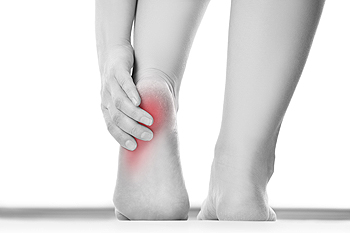 Teenagers and children who actively participate in running and jumping sporting activities may be familiar with Sever’s disease. This condition affects the growth plate in the heel, and it occurs as a result of the bones, muscles, and tendons growing at different rates. The symptoms that are typically associated with this condition can consist of walking on tiptoes, pain when the heel is squeezed, and it may be difficult to walk upon arising in the morning. Moderate relief may be felt when the affected foot is elevated, and it may help to wear shoe inserts which can provide additional support. If your child has developed Sever’s disease, it is advised that you consult with a podiatrist who can guide your child toward proper treatment.
Sever's disease often occurs in children and teens. If your child is experiencing foot or ankle pain, see Brian Shwer, DPM from Southaven Foot Clinic. Our doctor can treat your child’s foot and ankle needs.
Sever’s Disease
Sever’s disease is also known as calcaneal apophysitis, which is a medical condition that causes heel pain I none or both feet. The disease is known to affect children between the ages of 8 and 14.
Sever’s disease occurs when part of the child’s heel known as the growth plate (calcaneal epiphysis) is attached to the Achilles tendon. This area can suffer injury when the muscles and tendons of the growing foot do not keep pace with bone growth. Therefore, the constant pain which one experiences at the back of the heel will make the child unable to put any weight on the heel. The child is then forced to walk on their toes.
Symptoms
Acute pain – Pain associated with Sever’s disease is usually felt in the heel when the child engages in physical activity such as walking, jumping and or running.
Highly active – Children who are very active are among the most susceptible in experiencing Sever’s disease, because of the stress and tension placed on their feet.
If you have any questions, please feel free to contact our office located in Southaven, MS . We offer the newest diagnostic and treatment technologies for all your foot and ankle injuries.
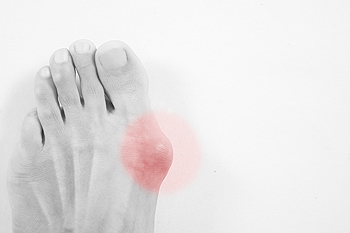 A bony protrusion on the bottom of the big toe may be indicative of a bunion. It develops as a result of wearing shoes that do not have enough room for the toes to move freely in, or it may come from certain genetic factors. They can cause severe pain and discomfort, and in certain cases, surgery may be necessary for permanent relief. Patients may be eligible for surgery if there is consistent pain while performing daily activities, or if you are unable to straighten or bend your big toe. There are specific types of bunion surgery. An osteotomy consists of cutting the joint in the big toe, and aligning it to it’s normal placement. An exostectomy is performed when the bunion is removed from the joint, and an alignment is not necessary. If metal plates are needed to correct the deformity, an arthrodesis may be performed. If you have a bunion, please consult with a podiatrist who can help you to determine if bunion surgery is correct for you.
Foot surgery is sometimes necessary to treat a foot ailment. To learn more, contact Brian Shwer, DPM of Southaven Foot Clinic. Our doctor will assist you with all of your foot and ankle needs.
When Is Surgery Necessary?
Foot and ankle surgery is generally reserved for cases in which less invasive, conservative procedures have failed to alleviate the problem. Some of the cases in which surgery may be necessary include:
What Types of Surgery Are There?
The type of surgery you receive will depend on the nature of the problem you have. Some of the possible surgeries include:
Benefits of Surgery
Although surgery is usually a last resort, it can provide more complete pain relief compared to non-surgical methods and may allow you to finally resume full activity.
Surgical techniques have also become increasingly sophisticated. Techniques like endoscopic surgery allow for smaller incisions and faster recovery times.
If you have any questions please feel free to contact our office located in Southaven, MS . We offer the newest diagnostic and treatment technologies for all your foot and ankle needs.