
Feet carry us through every stage of life, yet they are often neglected until discomfort arises. Maintaining their appearance is not just about aesthetics. It is about care, comfort, and confidence. Just as a well-kept garden thrives, feet need regular attention to stay smooth, strong, and youthful. Hydration is key. Skin that is nourished with moisture resists cracks and roughness. Gentle exfoliation removes dull layers, revealing fresh, soft skin beneath. Strengthening exercises keep feet agile, preventing stiffness and imbalance that can lead to poor posture. Wearing properly fitted shoes preserves natural alignment, preventing issues that accelerate aging. Over time, nails can thicken or discolor, but trimming them correctly and keeping them clean prevents complications. Investing in foot care today means walking with ease tomorrow. If pain, calluses, or nail changes become a concern, it is suggested that you see a podiatrist to keep your feet looking and feeling their best.
Proper foot care is something many older adults forget to consider. If you have any concerns about your feet and ankles, contact Brian Shwer, DPM from Southaven Foot Clinic. Our doctor can provide the care you need to keep you pain-free and on your feet.
The Elderly and Their Feet
As we age we start to notice many changes in our body, but the elder population may not notice them right away. Medical conditions may prevent the elderly to take notice of their foot health right away. Poor vision is a lead contributor to not taking action for the elderly.
Common Conditions
Susceptible Infections
Diabetes and poor circulation can cause general loss of sensitivity over the years, turning a simple cut into a serious issue.
If you have any questions please feel free to contact our office located in Southaven, MS . We offer the newest diagnostic and treatment technologies for all your foot and ankle needs.
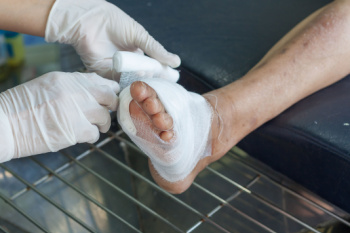
Diabetic foot ulcers develop when prolonged high blood sugar levels impair circulation and nerve function, increasing the risk of slow-healing wounds. Proper wound care for diabetic foot ulcers is essential to prevent complications, including infection. A podiatrist can assess the severity of the ulcer and recommend appropriate treatment, which may include debridement to remove dead tissue and specialized dressings that support healing. Offloading techniques, such as custom orthotics or specialized footwear, can help to reduce pressure on the affected area. In some cases, advanced treatments like negative pressure therapy may be used to promote tissue regeneration. Antibiotics may be prescribed if there are signs of infection. If conservative measures do not lead to improvement, surgery might be necessary to remove damaged tissue or correct structural deformities that contribute to ulcer formation. Regular monitoring by a podiatrist is essential to reduce the risk of more serious complications. If you have developed foot ulcers as a complication of diabetes, it is suggested that you schedule regular appointments with a podiatrist for ongoing treatment.
Diabetic foot care is important in preventing foot ailments such as ulcers. If you are suffering from diabetes or have any other concerns about your feet, contact Brian Shwer, DPM from Southaven Foot Clinic. Our doctor can provide the care you need to keep you pain-free and on your feet.
Diabetic Foot Care
Diabetes affects millions of people every year. The condition can damage blood vessels in many parts of the body, especially the feet. Because of this, taking care of your feet is essential if you have diabetes, and having a podiatrist help monitor your foot health is highly recommended.
The Importance of Caring for Your Feet
Patients with diabetes should have their doctor monitor their blood levels, as blood sugar levels play such a huge role in diabetic care. Monitoring these levels on a regular basis is highly advised.
It is always best to inform your healthcare professional of any concerns you may have regarding your feet, especially for diabetic patients. Early treatment and routine foot examinations are keys to maintaining proper health, especially because severe complications can arise if proper treatment is not applied.
If you have any questions please feel free to contact our office located in Southaven, MS . We offer the newest diagnostic and treatment technologies for all your foot and ankle needs.
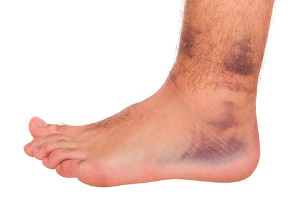
An acute ankle sprain occurs when the ligaments around the ankle are stretched or torn due to sudden twisting or impact. This injury typically happens during activities that involve jumping, running, or uneven surfaces, causing the ankle to roll or twist beyond its normal range of motion. The ligaments on the outside of the ankle are most often affected, although other ligaments can be injured as well. An acute sprain can occur in any age group, but it is especially common among athletes or individuals who engage in high-intensity physical activities. Risk factors include weak ankle muscles, improper footwear, or a previous ankle injury, which can make the ankle joint more vulnerable. The severity of the sprain can vary, with symptoms ranging from mild pain and swelling to more severe pain, bruising, and limited mobility. If you have injured or sprained your ankle, it is suggested that you promptly schedule an appointment with a podiatrist who can offer you appropriate treatment solutions.
Ankle sprains are common but need immediate attention. If you need your feet checked, contact Brian Shwer, DPM from Southaven Foot Clinic. Our doctor can provide the care you need to keep you pain-free and on your feet.
How Does an Ankle Sprain Occur?
Ankle sprains take place when the ligaments in your ankle are torn or stretched beyond their limits. There are multiple ways that the ankle can become injured, including twisting or rolling over onto your ankle, putting undue stress on it, or causing trauma to the ankle itself.
What Are the Symptoms?
Preventing a Sprain
Treatment of a Sprain
Treatment of a sprain depends on the severity. Many times, people are told to rest and remain off their feet completely, while others are given an air cast. If the sprain is very severe, surgery may be required.
If you have suffered an ankle sprain previously, you may want to consider additional support such as a brace and regular exercises to strengthen the ankle.
If you have any questions please feel free to contact our office located in Southaven, MS . We offer the newest diagnostic and treatment technologies for all your foot and ankle needs.

A broken foot can happen due to trauma like falls, sports injuries, or car accidents, as well as repetitive stress from activities such as running. It can affect anyone, but those at a higher risk include athletes, older adults, and individuals with osteoporosis. Symptoms include pain, swelling, bruising, difficulty walking, and deformity. If you suspect a broken foot, avoid putting weight on it and elevate it to reduce swelling. Immobilize the foot as much as possible and seek medical attention promptly. A podiatrist can diagnose the injury using imaging like X-rays and recommend treatment, which may include casting, bracing, or in severe cases, surgery. If you have broken your foot, it is strongly suggested that you see a podiatrist for proper care and healing.
A broken foot requires immediate medical attention and treatment. If you need your feet checked, contact Brian Shwer, DPM from Southaven Foot Clinic. Our doctor can provide the care you need to keep you pain-free and on your feet.
Broken Foot Causes, Symptoms, and Treatment
A broken foot is caused by one of the bones in the foot typically breaking when bended, crushed, or stretched beyond its natural capabilities. Usually the location of the fracture indicates how the break occurred, whether it was through an object, fall, or any other type of injury.
Common Symptoms of Broken Feet:
Those that suspect they have a broken foot shoot seek urgent medical attention where a medical professional could diagnose the severity.
Treatment for broken bones varies depending on the cause, severity and location. Some will require the use of splints, casts or crutches while others could even involve surgery to repair the broken bones. Personal care includes the use of ice and keeping the foot stabilized and elevated.
If you have any questions please feel free to contact our office located in Southaven, MS . We offer the newest diagnostic and treatment technologies for all your foot and ankle needs.