
Skateboarding can be an exhilarating sport, but it often leads to foot pain due to several factors. One primary reason is the constant impact and stress on the feet while performing tricks and landing jumps. This repetitive strain can cause soreness and fatigue in the muscles and joints. Wearing improper footwear is another common contributor to foot pain. Skate shoes that lack adequate cushioning or support can be uncomfortable and may increase the risk of injuries like sprains and fractures. Additionally, poor foot positioning on the board can lead to uneven pressure distribution, resulting in pain in the arches or heels. Overuse injuries, such as tendinitis or plantar fasciitis, may also develop from excessive skateboarding without sufficient rest. If you or your child has sustained a foot injury from skateboarding, it is suggested that you consult a podiatrist who can provide an accurate diagnosis and treatment.
Ankle and foot injuries are common among athletes and in many sports. They can be caused by several problems and may be potentially serious. If you are feeling pain or think you were injured in a sporting event or when exercising, consult with Brian Shwer, DPM from Southaven Foot Clinic. Our doctor will assess your condition and provide you with quality foot and ankle treatment.
Common Injuries
The most common injuries that occur in sporting activities include:
Symptoms
Symptoms vary depending upon the injury and in some cases, there may be no symptoms at all. However, in most cases, some form of symptom is experienced. Pain, aching, burning, bruising, tenderness, tightness or stiffness, sensation loss, difficulty moving, and swelling are the most common symptoms.
Treatment
Just as symptoms vary depending upon the injury, so do treatment options. A common treatment method is known as the RICE method. This method involves rest, applying ice, compression and elevating the afflicted foot or ankle. If the injury appears to be more serious, surgery might be required, such as arthroscopic or reconstructive surgery. Lastly, rehabilitation or therapy might be needed to gain full functionality in the afflicted area. Any discomfort experienced by an athlete must be evaluated by a licensed, reputable medical professional.
If you have any questions, please feel free to contact our office located in Southaven, MS . We offer the newest diagnostic and treatment technologies for all your foot care needs.
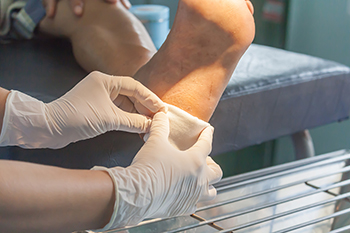
Open wounds on the feet can vary in severity and type, each requiring specific care. Abrasions are superficial injuries resulting from friction, They often cause the outer layer of skin to rub off, leading to redness and mild bleeding. Lacerations are deeper cuts that can vary in length and depth, often caused by sharp objects,. They may require stitches for proper healing. Avulsions occur when a portion of the skin is torn away, potentially exposing deeper layers and necessitating immediate medical attention. Puncture wounds result from objects piercing the skin, such as nails or splinters, which can introduce bacteria and lead to infection if not treated properly. Understanding these types of wounds is vital for effective first aid and healing. If you have a foot wound, it is suggested that you consult a podiatrist who can determine what type it is and offer effective treatment methods.
Wound care is an important part in dealing with diabetes. If you have diabetes and a foot wound or would like more information about wound care for diabetics, consult with Brian Shwer, DPM from Southaven Foot Clinic. Our doctor will assess your condition and provide you with quality foot and ankle treatment.
What Is Wound Care?
Wound care is the practice of taking proper care of a wound. This can range from the smallest to the largest of wounds. While everyone can benefit from proper wound care, it is much more important for diabetics. Diabetics often suffer from poor blood circulation which causes wounds to heal much slower than they would in a non-diabetic.
What Is the Importance of Wound Care?
While it may not seem apparent with small ulcers on the foot, for diabetics, any size ulcer can become infected. Diabetics often also suffer from neuropathy, or nerve loss. This means they might not even feel when they have an ulcer on their foot. If the wound becomes severely infected, amputation may be necessary. Therefore, it is of the upmost importance to properly care for any and all foot wounds.
How to Care for Wounds
The best way to care for foot wounds is to prevent them. For diabetics, this means daily inspections of the feet for any signs of abnormalities or ulcers. It is also recommended to see a podiatrist several times a year for a foot inspection. If you do have an ulcer, run the wound under water to clear dirt from the wound; then apply antibiotic ointment to the wound and cover with a bandage. Bandages should be changed daily and keeping pressure off the wound is smart. It is advised to see a podiatrist, who can keep an eye on it.
If you have any questions, please feel free to contact our office located in Southaven, MS . We offer the newest diagnostic and treatment technologies for all your foot care needs.
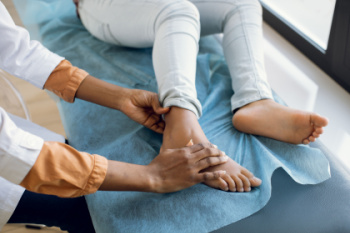
Tingling feet, often described as a pins-and-needles sensation, can arise from several underlying conditions. Diabetes is a major contributor, as high blood sugar levels can lead to diabetic neuropathy, which affects nerve function in the extremities. Multiple sclerosis is another condition that may cause tingling due to nerve damage affecting communication between the brain and body. Peripheral artery disease, or PAD, resulting in narrowed arteries, can reduce blood flow to the feet, leading to abnormal sensations. Kidney failure may also result in neuropathy caused by the accumulation of toxins in the body, affecting nerve health. Additionally, alcoholic neuropathy is a consequence of excessive alcohol consumption, damaging peripheral nerves. If you have developed this sensation in your feet, it is suggested that you consult a podiatrist who can offer you effective relief and treatment solutions.
Foot Pain
Foot pain can be extremely painful and debilitating. If you have a foot pain, consult with Brian Shwer, DPM from Southaven Foot Clinic. Our doctor will assess your condition and provide you with quality foot and ankle treatment.
Causes
Foot pain is a very broad condition that could be caused by one or more ailments. The most common include:
Diagnosis
To figure out the cause of foot pain, podiatrists utilize several different methods. This can range from simple visual inspections and sensation tests to X-rays and MRI scans. Prior medical history, family medical history, and any recent physical traumatic events will all be taken into consideration for a proper diagnosis.
Treatment
Treatment depends upon the cause of the foot pain. Whether it is resting, staying off the foot, or having surgery; podiatrists have a number of treatment options available for foot pain.
If you have any questions, please feel free to contact our office located in Southaven, MS . We offer the newest diagnostic and treatment technologies for all your foot care needs.

Walking sticks can be an excellent tool for enhancing stability. They can reduce the risk of falls, particularly for people who have balance problems or for those who walk on uneven surfaces. The additional points of contact with the ground provided by walking sticks can help distribute body weight. This reduces strain on the feet and alleviates pressure that might otherwise lead to pain or even injury. Walking sticks also promote better posture, which reduces foot fatigue during prolonged walks or hikes. When used correctly, walking sticks can assist in maintaining balance and controlling foot movements, which helps minimize slips and trips. It is important to adjust the walking sticks to your height to ensure they provide adequate support for your walking style. A podiatrist can evaluate your specific needs and guide you on whether walking sticks are appropriate for your foot health. If you need an assistive device for walking, it is suggested that you schedule an appointment with a podiatrist who can determine if walking sticks are right for you.
Exercising your feet regularly with the proper foot wear is a great way to prevent injuries and build strength. If you have any concerns about your feet, contact Brian Shwer, DPM from Southaven Foot Clinic. Our doctor can provide the care you need to keep you pain-free and on your feet.
Exercise for Your Feet
Exercise for your feet can help you gain strength, mobility and flexibility in your feet. They say that strengthening your feet can be just as rewarding as strengthening another part of the body. Your feet are very important, and we often forget about them in our daily tasks. But it is because of our feet that are we able to get going and do what we need to. For those of us fortunate enough to not have any foot problems, it is an important gesture to take care of them to ensure good health in the long run.
Some foot health exercises can include ankle pumps, tip-toeing, toe rises, lifting off the floor doing reps and sets, and flexing the toes. It is best to speak with Our doctor to determine an appropriate regimen for your needs. Everyone’s needs and bodies are different, and the activities required to maintain strength in the feet vary from individual to individual.
Once you get into a routine of doing regular exercise, you may notice a difference in your feet and how strong they may become.
If you have any questions please feel free to contact our office located in Southaven, MS . We offer the newest diagnostic and treatment technologies for all your foot and ankle needs.

Gout is a painful, inflammatory form of arthritis. Those affected will typically feel an intense stiffness in the joints of their feet, particularly in the big toe. Schedule a visit to learn about how gout can be managed and treated.
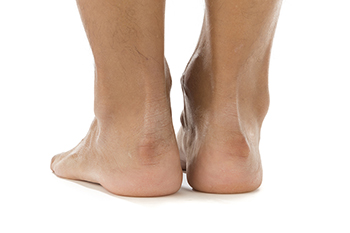
Haglund's deformity is a bony enlargement on the back of the heel bone, where the Achilles tendon attaches. This condition can cause significant discomfort and irritation, particularly where the heel rubs against the shoe. Symptoms typically include pain and swelling at the back of the heel, and in severe cases, the area may become red and tender. The primary cause of Haglund's deformity is often linked to wearing tight or rigid shoes, which can increase the pressure on the heel. Structural abnormalities in the foot or abnormal walking patterns may also contribute. Treatment focuses on relieving symptoms and preventing further irritation, although in some cases surgery may be needed. Conservative options include wearing well-fitted, cushioned shoes, using heel pads or orthotic inserts to reduce pressure, and performing stretching exercises for the Achilles tendon. For a more precise diagnosis and tailored treatment plan, it is suggested that you schedule an appointment with a podiatrist.
Many people suffer from bouts of heel pain. For more information, contact Brian Shwer, DPM of Southaven Foot Clinic. Our doctor can provide the care you need to keep you pain-free and on your feet.
Causes of Heel Pain
Heel pain is often associated with plantar fasciitis. The plantar fascia is a band of tissues that extends along the bottom of the foot. A rip or tear in this ligament can cause inflammation of the tissue.
Achilles tendonitis is another cause of heel pain. Inflammation of the Achilles tendon will cause pain from fractures and muscle tearing. Lack of flexibility is also another symptom.
Heel spurs are another cause of pain. When the tissues of the plantar fascia undergo a great deal of stress, it can lead to ligament separation from the heel bone, causing heel spurs.
Why Might Heel Pain Occur?
Treatments
Heel pain should be treated as soon as possible for immediate results. Keeping your feet in a stress-free environment will help. If you suffer from Achilles tendonitis or plantar fasciitis, applying ice will reduce the swelling. Stretching before an exercise like running will help the muscles. Using all these tips will help make heel pain a condition of the past.
If you have any questions please contact our office located in Southaven, MS . We offer the newest diagnostic and treatment technologies for all your foot and ankle needs.