
Blog

Why Your Joints Hurt When You Move

Arthritis in the feet can make each step painful and limit daily movement. Osteoarthritis is a long-term joint condition that affects the entire joint and the tissues around it. In the foot, damaged joints can become painful, swollen, and stiff. Movement may become harder as symptoms progress. Reduced movement can also weaken nearby muscles and make physical activities more difficult. Although osteoarthritis is more frequent in older adults, it is not an unavoidable part of aging. Younger people can also develop it, especially after a joint injury or repeated stress.

Several factors can increase the risk of osteoarthritis. Previous joint injuries, repeated stress, and excess body weight can contribute to the condition. Genetics and age can also play a role. Symptoms can begin slowly, although they can appear more quickly after an injury or strain. Foot arthritis can affect mobility because the feet carry body weight and help the body move forward with every step. Pain and stiffness can make work or social activities harder. Some patients also experience discomfort while resting when osteoarthritis becomes severe.

A podiatrist can evaluate painful foot joints and determine how arthritis is affecting movement and function. An examination can assess swelling, joint motion, and areas of tenderness. Treatment can focus on reducing pressure on painful joints and supporting better mobility. A podiatrist can recommend braces or other supportive devices when appropriate. Care can also include guided exercises to strengthen muscles and maintain joint movement. If you have symptoms of arthritic foot pain, it is suggested that you schedule an appointment with a podiatrist for diagnosis and treatment.

Arthritis can be a difficult condition to live with. If you are seeking treatment, contact Brian Shwer, DPM from Southaven Foot Clinic. Our doctor can provide the care you need to keep you pain-free and on your feet.

Arthritic Foot Care  

Arthritis is a joint disorder that involves the inflammation of different joints in your body, such as those in your feet. Arthritis is often caused by a degenerative joint disease and causes mild to severe pain in all affected areas. In addition to this, swelling and stiffness in the affected joints can also be a common symptom of arthritis.

In many cases, wearing ill-fitting shoes can worsen the effects and pain of arthritis. Wearing shoes that have a lower heel and extra room can help your feet feel more comfortable. In cases of rheumatoid arthritis, the arch in your foot may become problematic. Buying shoes with proper arch support that contour to your feet can help immensely.

Alleviating Arthritic Pain

  • Exercises that stretch the foot can prevent further pain and injury and increase mobility
  • Most of the pain can be alleviated with anti-inflammatory drugs, heat, and topical medications
  • Massages can help temporarily alleviate pain.

It is best to see your doctor for the treatment that is right for your needs and symptoms. Conditions vary, and a podiatrist can help you determine the right method of care for your feet.

If you have any questions please feel free to contact our office located in Southaven, MS . We offer the newest diagnostic tools and technology to treat your foot and ankle needs.
Read more about Arthritic Foot Care

Protecting Feet During Youth Sports

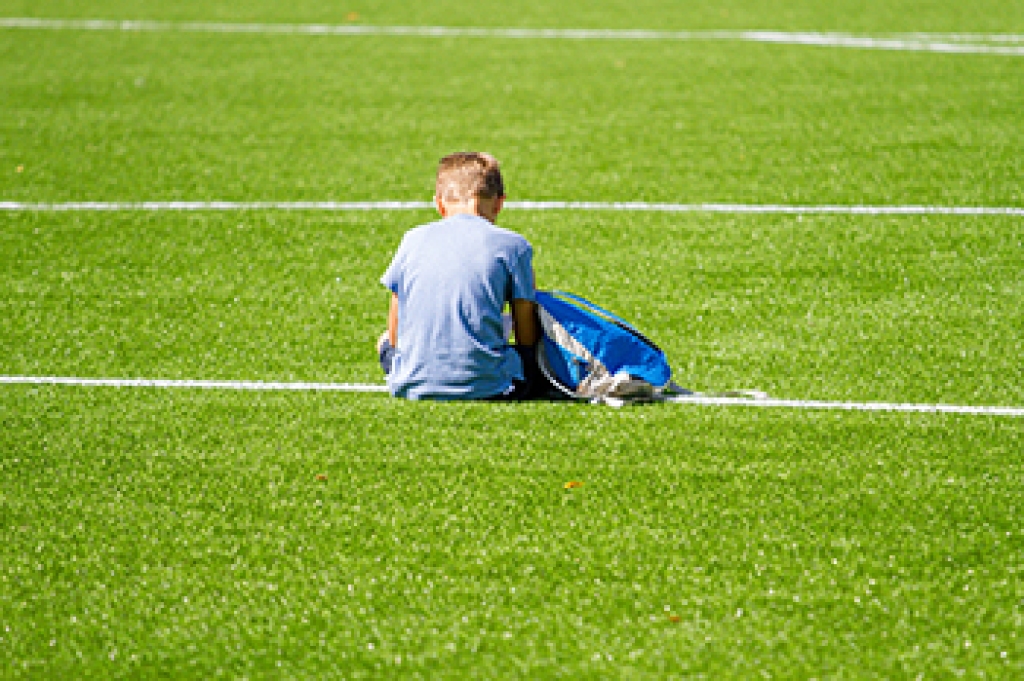
Sports can help children stay active, but running and jumping can also place significant stress on growing feet and ankles. Ankle injuries become especially common during fall sports, with football, soccer, and basketball presenting frequent risks. Young athletes may experience ankle sprains, broken bones, or other foot and ankle injuries. An injury that appears to be a simple sprain can sometimes involve damaged cartilage or another injured bone. Because different injuries can cause similar symptoms, continued pain or swelling should be evaluated by a medical professional. Early diagnosis can help identify the actual injury and guide appropriate treatment.


Previous ankle injuries may also affect an athlete’s risk of another injury. An ankle that has not fully recovered can remain unstable and become more vulnerable during competition. The condition of athletic shoes matters as well. Different sports require footwear designed for their specific movements and playing surfaces. Worn athletic shoes may develop uneven bottoms, which can prevent the foot from sitting flat and cause the ankle to tilt. Uneven playing fields can create another risk because dips, holes, and other surface changes may cause the foot to land awkwardly during activity.


A podiatrist can examine sports-related foot and ankle injuries and determine whether pain is caused by a sprain, fracture, or another problem. A professional evaluation can also identify whether an older ankle injury has left lasting instability that could affect athletic performance. Depending on the injury, treatment may include rehabilitation or supportive devices designed to protect the ankle during activity. Prompt treatment is important because untreated ankle injuries may contribute to long-term problems, including instability or arthritis. Proper evaluation can also help young athletes safely return to their sport after an injury. If sports participation is causing persistent foot or ankle pain in your child, it is suggested that you consult a podiatrist for an evaluation and appropriate treatment options.

Sports related foot and ankle injuries require proper treatment before players can go back to their regular routines. For more information, contact Brian Shwer, DPM of Southaven Foot Clinic. Our doctor can provide the care you need to keep you pain-free and on your feet.

Sports Related Foot and Ankle Injuries

Foot and ankle injuries are a common occurrence when it comes to athletes of any sport. While many athletes dismiss the initial aches and pains, the truth is that ignoring potential foot and ankle injuries can lead to serious problems. As athletes continue to place pressure and strain the area further, a mild injury can turn into something as serious as a rupture and may lead to a permanent disability. There are many factors that contribute to sports related foot and ankle injuries, which include failure to warm up properly, not providing support or wearing bad footwear. Common injuries and conditions athletes face, including:

  • Plantar Fasciitis
  • Achilles Tendinitis
  • Achilles Tendon Rupture
  • Ankle Sprains

Sports related injuries are commonly treated using the RICE method. This includes rest, applying ice to the injured area, compression and elevating the ankle. More serious sprains and injuries may require surgery, which could include arthroscopic and reconstructive surgery. Rehabilitation and therapy may also be required in order to get any recovering athlete to become fully functional again. Any unusual aches and pains an athlete sustains must be evaluated by a licensed, reputable medical professional.

If you have any questions please contact our office located in Southaven, MS . We offer the newest diagnostic and treatment technologies for all your foot and ankle needs.

Read more about Sports Related Foot And Ankle Injuries

Toe Pain Caused by Sesamoiditis

Two pea-sized bones, called sesamoids, sit beneath the big-toe joint, within the tendons at the ball of the foot. They work like small pulleys, helping the tendons move smoothly and supporting the foot as it pushes off the ground. Sesamoiditis develops when the tendons and tissues surrounding these bones become irritated. Pain usually begins gradually beneath the big toe and can worsen when walking, running, or bending the toe upward. The area can also become swollen or tender. Unlike a sesamoid fracture, which can cause sudden pain after an injury, sesamoiditis usually results from repeated stress.

Activities that place repeated pressure on the forefoot can raise the risk of sesamoiditis. Running, dancing, and sporting activities that require quick bursts of movement are frequent causes. High-heeled shoes can shift extra weight toward the ball of the foot. Shoes that lack proper support or cushioning can also increase pressure beneath the big toe. A podiatrist can carefully examine the location of the pain and check how the big toe moves. X-rays can help rule out a fracture. When the cause remains unclear, other imaging tests can reveal tissue irritation or a small stress injury.

A podiatrist focuses on reducing pressure, controlling painful movement, and allowing the irritated area to recover. One treatment option is wearing cushioned or stiff-soled shoes. In addition, custom orthotics can improve weight distribution and reduce stress beneath the big-toe joint. Special padding can protect the sesamoids, and taping can keep the toe from bending too far. In some cases, a removable brace may be recommended. Surgery is rarely considered, but it can be an option when persistent symptoms do not respond to other care. Early diagnosis is important because a fracture and sesamoiditis can feel similar but require different treatment plans. If you have symptoms of sesamoiditis, it is suggested that you schedule an appointment with a podiatrist for a diagnosis and appropriate treatment.

Sesamoiditis is an unpleasant foot condition characterized by pain in the balls of the feet. If you think you’re struggling with sesamoiditis, contact Brian Shwer, DPM of Southaven Foot Clinic. Our doctor will treat your condition thoroughly and effectively.

Sesamoiditis

Sesamoiditis is a condition of the foot that affects the ball of the foot. It is more common in younger people than it is in older people. It can also occur with people who have begun a new exercise program, since their bodies are adjusting to the new physical regimen. Pain may also be caused by the inflammation of tendons surrounding the bones. It is important to seek treatment in its early stages because if you ignore the pain, this condition can lead to more serious problems such as severe irritation and bone fractures.

Causes of Sesamoiditis

  • Sudden increase in activity
  • Increase in physically strenuous movement without a proper warm up or build up
  • Foot structure: those who have smaller, bonier feet or those with a high arch may be more susceptible

Treatment for sesamoiditis is non-invasive and simple. Doctors may recommend a strict rest period where the patient forgoes most physical activity. This will help give the patient time to heal their feet through limited activity. For serious cases, it is best to speak with your doctor to determine a treatment option that will help your specific needs.

If you have any questions, please feel free to contact our office located in Southaven, MS . We offer the newest diagnostic and treatment technologies for all your foot care needs.

Read more about Sesamoiditis
Connect with us