Have you noticed a bony protrusion on the side of your big toe? If so, you may have developed the foot condition known as a bunion. Don't let bunions interfere with your daily activities.
Have you noticed a bony protrusion on the side of your big toe? If so, you may have developed the foot condition known as a bunion. Don't let bunions interfere with your daily activities.

Gout in the ankle is a joint condition that develops when uric acid crystals accumulate and cause inflammation. Although it is less commonly discussed than gout in the big toe, ankle involvement can be just as painful and limiting. The condition may take time to develop, but often presents as a sudden and intense flare-up. This type of arthritis can affect mobility and make routine activities more challenging if not addressed early.
Common symptoms of ankle gout include swelling, tenderness, and stiffness surrounding the joint. The ankle may feel warm and appear red, with discomfort that worsens during movement or weight bearing. Limited range of motion can make it difficult to walk or complete everyday tasks. Some individuals report sudden pain that begins at night and intensifies quickly. These symptoms can interfere with sleep and overall quality of life.
The causes of gout in the ankle are linked to elevated uric acid levels in the body. Consuming high purine foods, drinking excess alcohol, and having reduced kidney function can contribute to this buildup. Gout is more frequently seen in men, while women may develop it after menopause due to hormonal changes. Other risk factors include obesity, metabolic conditions, and a family history of gout. These can increase the likelihood of crystal formation and joint inflammation.
Diagnosis often involves clinical evaluation along with imaging scans to rule out fractures or other joint disorders. Managing ankle gout includes controlling uric acid levels and reducing inflammation through lifestyle adjustments and medical treatment. A podiatrist can provide guidance on symptom management and long-term prevention. If you have signs of gout in the ankle, it is strongly suggested that you are under the care of a podiatrist who can help you to manage this painful condition.
Gout is a foot condition that requires certain treatment and care. If you are seeking treatment, contact Brian Shwer, DPM from Southaven Foot Clinic. Our doctor will treat your foot and ankle needs.
What Is Gout?
Gout is a type of arthritis caused by a buildup of uric acid in the bloodstream. It often develops in the foot, especially the big toe area, although it can manifest in other parts of the body as well. Gout can make walking and standing very painful and is especially common in diabetics and the obese.
People typically get gout because of a poor diet. Genetic predisposition is also a factor. The children of parents who have had gout frequently have a chance of developing it themselves.
Gout can easily be identified by redness and inflammation of the big toe and the surrounding areas of the foot. Other symptoms include extreme fatigue, joint pain, and running high fevers. Sometimes corticosteroid drugs can be prescribed to treat gout, but the best way to combat this disease is to get more exercise and eat a better diet.
If you have any questions, please feel free to contact our office located in Southaven, MS . We offer the newest diagnostic and treatment technologies for all your foot care needs.

Soccer places demands on the feet through sprinting, cutting, and kicking. Sudden stops and changes of direction can lead to ankle sprains, turf toe, and broken bones. Players can also develop stress fractures, which are small cracks caused by repeated pressure. Heel pain and Achilles tendon injuries can result from frequent running and jumping or inadequate footwear. Blisters or damaged toenails can form when cleats are too tight, too loose, or poorly fitted. Young players can develop pain where the heel bone is still growing. Uneven fields, hard turf, and contact with other players can raise the chance of a soccer injury.
Symptoms depend on the injured area and the severity of the damage. Warning signs include pain, swelling, and bruising. A player may also have trouble putting weight on the affected foot. Turf toe causes pain and stiffness at the base of the big toe. A fracture can produce sharp pain that becomes worse with pressure or activity. Players should not ignore pain that continues, returns during play, or affects normal movement. Continuing to compete with an untreated injury can worsen the damage and delay a safe return to activity.
A podiatrist can examine the foot and ankle, check joint movement, and locate areas of tenderness. X-rays can reveal many fractures, while an MRI scan can show stress injuries or damage to soft tissue. Treatment depends on the diagnosis and can include a brace, cast, or walking boot. Custom orthotics can improve support and reduce harmful pressure inside the shoe. A podiatrist can also evaluate cleat fit and recommend shoes suited to the player’s foot shape and playing surface. Serious fractures, major ligament tears, or severe turf toe can require surgery. Follow-up visits help the podiatrist monitor healing and decide when the player can safely return to practice. If you have sustained a foot injury while playing soccer, it is suggested that you schedule an appointment with a podiatrist for a diagnosis and appropriate treatment.
Ankle and foot injuries are common among athletes and in many sports. They can be caused by several problems and may be potentially serious. If you are feeling pain or think you were injured in a sporting event or when exercising, consult with Brian Shwer, DPM from Southaven Foot Clinic. Our doctor will assess your condition and provide you with quality foot and ankle treatment.
Common Injuries
The most common injuries that occur in sporting activities include:
Symptoms
Symptoms vary depending upon the injury and in some cases, there may be no symptoms at all. However, in most cases, some form of symptom is experienced. Pain, aching, burning, bruising, tenderness, tightness or stiffness, sensation loss, difficulty moving, and swelling are the most common symptoms.
Treatment
Just as symptoms vary depending upon the injury, so do treatment options. A common treatment method is known as the RICE method. This method involves rest, applying ice, compression and elevating the afflicted foot or ankle. If the injury appears to be more serious, surgery might be required, such as arthroscopic or reconstructive surgery. Lastly, rehabilitation or therapy might be needed to gain full functionality in the afflicted area. Any discomfort experienced by an athlete must be evaluated by a licensed, reputable medical professional.
If you have any questions please contact our office located in Southaven, MS . We offer the newest diagnostic and treatment technologies for all your foot and ankle needs.
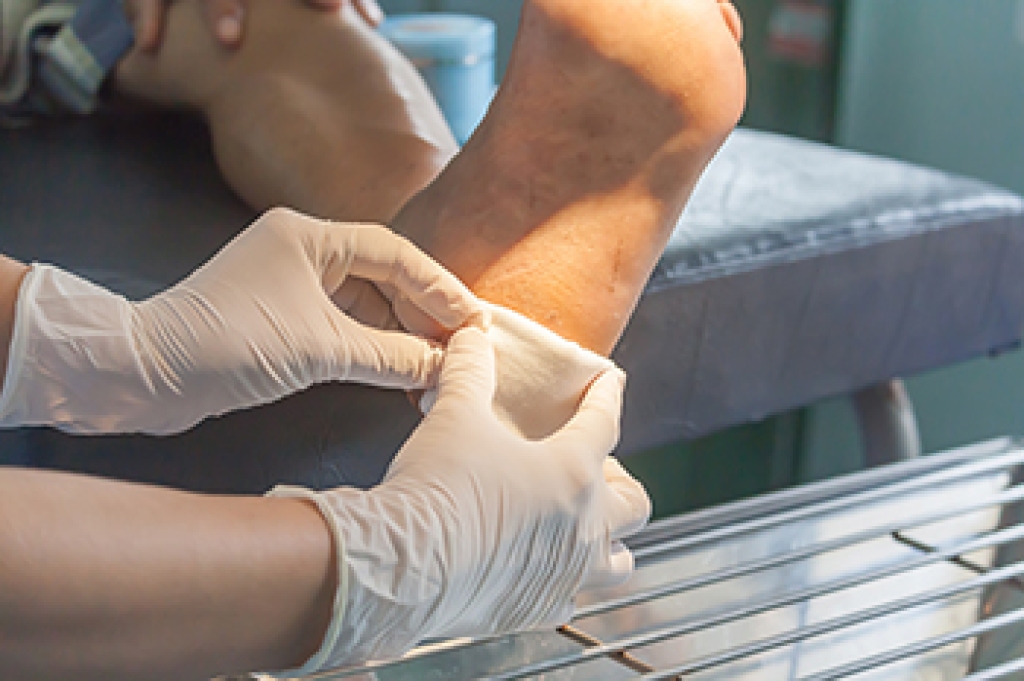
A cut on the bottom can occur from stepping on sharp objects, walking barefoot, or experiencing friction from rough surfaces. This type of foot wound can range from a minor superficial cut to a deeper laceration that requires medical attention from a podiatrist. The sole of the foot is especially vulnerable because it bears weight and is exposed to bacteria from the ground. Proper care is essential to reduce the risk of infection and to support healthy healing.
Symptoms of a cut on the bottom of the foot include pain, tenderness, and visible damage to the skin. There may be bleeding, swelling, or redness surrounding the wound. In some cases, individuals notice difficulty walking due to discomfort or sensitivity when pressure is applied. If the area becomes warm, produces discharge, or shows increased redness, these may be signs of infection. Monitoring symptoms closely helps determine whether simple care is sufficient or if professional treatment is needed.
Treating a cut on the bottom of the foot begins with clean hands to prevent introducing bacteria into the wound. Gently wash the affected area with clean water to remove dirt and debris. Avoid using harsh chemicals that may irritate the tissue. After cleaning, apply a sterile bandage to protect the wound and keep it covered. More severe and painful cuts or wounds require podiatric care to ensure proper healing. Changing the bandage regularly and keeping the area dry can support the healing process. Reducing pressure on the foot by limiting activity may also help prevent the wound from reopening.
Risk factors for complications include deep cuts, delayed treatment, and underlying health conditions, such as diabetes or poor circulation. Walking barefoot in unsanitary environments can increase exposure to bacteria. If you have a cut on the bottom of your foot, it is suggested that you consult a podiatrist for effective treatment solutions.
Wound care is an important part in dealing with diabetes. If you have diabetes and a foot wound or would like more information about wound care for diabetics, consult with Brian Shwer, DPM from Southaven Foot Clinic. Our doctor will assess your condition and provide you with quality foot and ankle treatment.
What Is Wound Care?
Wound care is the practice of taking proper care of a wound. This can range from the smallest to the largest of wounds. While everyone can benefit from proper wound care, it is much more important for diabetics. Diabetics often suffer from poor blood circulation which causes wounds to heal much slower than they would in a non-diabetic.
What Is the Importance of Wound Care?
While it may not seem apparent with small ulcers on the foot, for diabetics, any size ulcer can become infected. Diabetics often also suffer from neuropathy, or nerve loss. This means they might not even feel when they have an ulcer on their foot. If the wound becomes severely infected, amputation may be necessary. Therefore, it is of the upmost importance to properly care for any and all foot wounds.
How to Care for Wounds
The best way to care for foot wounds is to prevent them. For diabetics, this means daily inspections of the feet for any signs of abnormalities or ulcers. It is also recommended to see a podiatrist several times a year for a foot inspection. If you do have an ulcer, run the wound under water to clear dirt from the wound; then apply antibiotic ointment to the wound and cover with a bandage. Bandages should be changed daily and keeping pressure off the wound is smart. It is advised to see a podiatrist, who can keep an eye on it.
If you have any questions please contact our office located in Southaven, MS . We offer the newest diagnostic and treatment technologies for all your foot and ankle needs.

Daily diabetic foot care plays an important role in protecting foot health and lowering the risk of serious complications. Diabetes can damage nerves, reducing the ability to feel pain, heat, or pressure. It can also reduce blood flow, making it harder for the skin and other tissues to heal after an injury. Because of these changes, even a small blister, cut, or area of rubbing can become a serious problem. Changes in foot shape, like hammertoes or bunions, can create extra pressure while walking. Shoes that provide proper support and fit correctly help reduce irritation. Paying close attention to the feet every day helps identify changes before they become more difficult to treat.
A podiatrist carefully examines the skin, nails, circulation, and foot structure to look for early warning signs of trouble. Regular visits help identify thick calluses, pressure points, and small areas of skin damage before they develop into foot ulcers. A podiatrist also checks for changes in feeling and monitors reduced circulation that can slow healing. Custom orthotics help spread pressure more evenly across the feet. Professional trimming of thick nails and calluses lowers the chance of skin injury. Guidance about choosing shoes with proper support and enough room for the toes also helps reduce harmful pressure while walking.
Daily attention to diabetic foot health, combined with regular podiatry care, greatly lowers the chance of infection and tissue damage. Prompt evaluation of redness, swelling, or drainage allows treatment before the problem becomes more serious. Regular examinations also help track changes in circulation and foot shape that can lead to open sores. Early care supports comfort, mobility, and confidence with every step. Consistent monitoring by a podiatrist helps protect the feet and reduce the risk of ulcers, infection, and possible limb loss. If you have foot problems related to diabetes, it is suggested that you are under the care of a podiatrist who can help you to manage this serious condition.
Diabetic foot care is important in preventing foot ailments such as ulcers. If you are suffering from diabetes or have any other concerns about your feet, contact Brian Shwer, DPM from Southaven Foot Clinic. Our doctor can provide the care you need to keep you pain-free and on your feet.
Diabetic Foot Care
Diabetes affects millions of people every year. The condition can damage blood vessels in many parts of the body, especially the feet. Because of this, taking care of your feet is essential if you have diabetes, and having a podiatrist help monitor your foot health is highly recommended.
The Importance of Caring for Your Feet
Patients with diabetes should have their doctor monitor their blood levels, as blood sugar levels play such a huge role in diabetic care. Monitoring these levels on a regular basis is highly advised.
It is always best to inform your healthcare professional of any concerns you may have regarding your feet, especially for diabetic patients. Early treatment and routine foot examinations are keys to maintaining proper health, especially because severe complications can arise if proper treatment is not applied.
If you have any questions, please feel free to contact our office located in Southaven, MS . We offer the newest diagnostic and treatment technologies for all your foot care needs.